By Daniel Villarreal
All eyes were on nurses with the advent of the COVID-19 pandemic. These healthcare workers felt the direct effects of this health crisis with comparisons of their work to fighting against an invisible enemy on the frontlines of a relentless war. Many hospitals across the U.S. saw filled emergency rooms, and vacant beds in intensive care units become scarce. The healthcare industry was pushed towards the brink of collapse in the U.S.
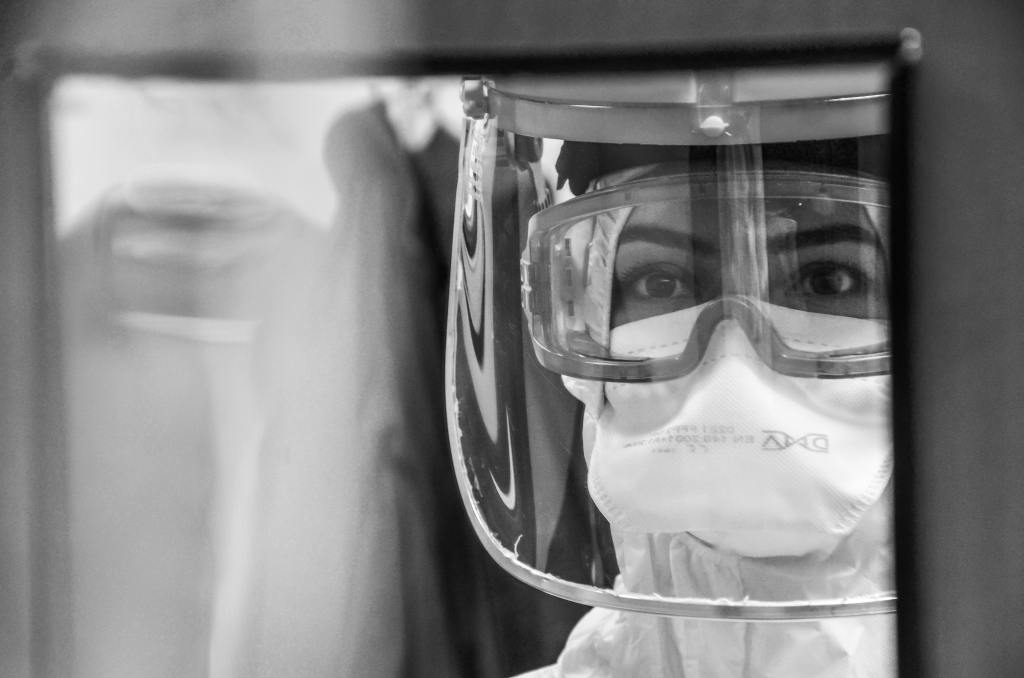
Though once such nurse overcame the daunting beast that was the pandemic and decided to join the work force anyway. Rosa Razo, a long-term care nurse at ProMedica Skilled Nursing facility in Oak Lawn, IL, joined the work force towards the end of 2020. Vaccines were distributed to the most vulnerable at this time, yet it was still a stressful time for Razo and her family.
“My daughters, my son, they were all concerned about me going to work with COVID. But we have to believe that the facility has proper protocols in place and the proper equipment that we need like PPE,” Razo said. “Yet it’s scary because not everybody is compliant as far as the residents. They don’t always want to wear a mask.”
American Association of Colleges of Nursing (AACN), citing a study from 2018, found that there will be a significant shortage of registered nurses in the U.S. by 2030. They also state several factors that contribute to this shortage. One of those factors includes an aging workforce, meaning more nurses are close to retirement age, but there might not enough nurses to replace those that retire by 2030.
The National Council Licensure Examination (NCLEX) is an exam provided nationwide to candidates that wish to earn their nursing license. Their annual statistics of pass rates is a good gauge as to how many nurses entered the workforce each year. According to their quarterly examination statistics in 2020, a total of 252,399, or 72.35% passed their exam to become a registered nurse.
Similar to an aging nursing workforce, there is an aging population in the U.S, which creates a greater demand for healthcare workers. The U.S. Census Bureau estimated a sharp increase of the nation’s aging population in 2019 compared to 2010. “The 65-and-older population grew by over a third during the past decade, and by 3.2% from 2018 to 2019,” the U.S. Census Bureau stated.
Additionally, the ACCN also states high levels of stress as a reason for a shortage of nurses. The pandemic has worsened this issue for a lot of nurses. “It’s stressful because the pandemic started, I didn’t expect this to happen,” Razo said. “Who wants to be around people that might kill you?”
Jennifer Medrano, an operating room nurse at Northwestern Memorial Hospital in Chicago, also felt the stresses of the pandemic at home. “My shift was switched to nights, and I was working on the ICU COVID floors,” Medrano said.
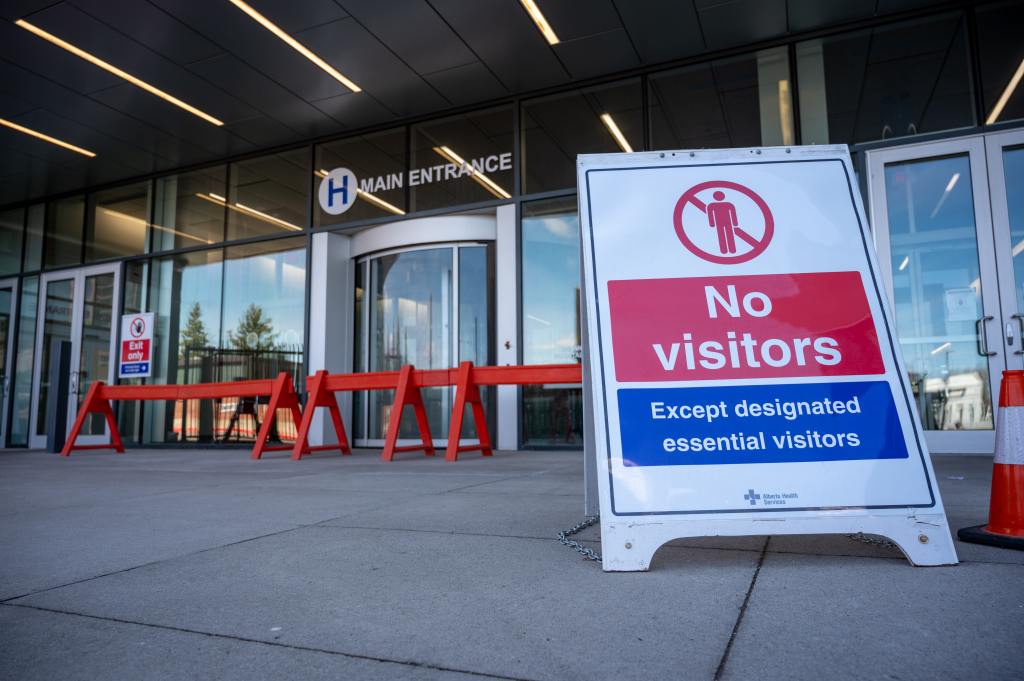
“My home life was stressful because of the new shift schedule, and I had the constant fear and worry of bringing COVID home to my family,” Medrano said. “I wasn’t getting enough sleep. I took extra precautions, and I had to quarantine from my family.”
A poll conducted by the Washington Post-Kaiser Family Foundation (KFF) shows similar concerns among all health care workers. Eighty-one percent of respondents cited concerns of being exposed to COVID-19 at work was source of stress. Seventy-nine percent of respondents also stated that exposing others in their household was also a source of stress for them.
Additionally, 66% of respondents had to work longer hours, and 29% considered no longer working in the health care industry because of the pandemic.
“There is a high demand because nurses are leaving the profession because they don’t want to deal with being vaccinated or working with people that have COVID,” Rosa said.
Though there are protocols in place to alleviate the shortage by using staffing agencies, sometimes that isn’t enough. Razo mentioned having to work double shifts due to staffing issues at her hospital. Oftentimes this was due to not having anyone on hand to cover the next shift.
An already stressful profession is compounded for these reasons. In the same poll from the Washington Post-KKF, 61% of respondents stated that the pandemic had a negative effect on their mental health. However, a majority of those surveyed still felt hopeful, motivated and optimistic as opposed to anxious, angry and burnt out.
Razo said she heard coworkers talk about losing patients due to COVID-19 and what kind of impact it can have up to this point. “It’s draining physically and mentally, not emotionally. It’s sad that we become numb to that. I haven’t been a nurse long enough to be numb,” she said.
This past year healthcare workers were usually regarded as heroes for the work that they have done during a perilous time. “I don’t think we should have titles,” Razo said. “Moms are heroes, dads are heroes. We get paid to do a job. I do my job to the best of my ability.”
Listen to a supplemental audio story here.
Article written for a journalism course at University of Illinois at Urbana-Champaign
 Daniel Villarreal