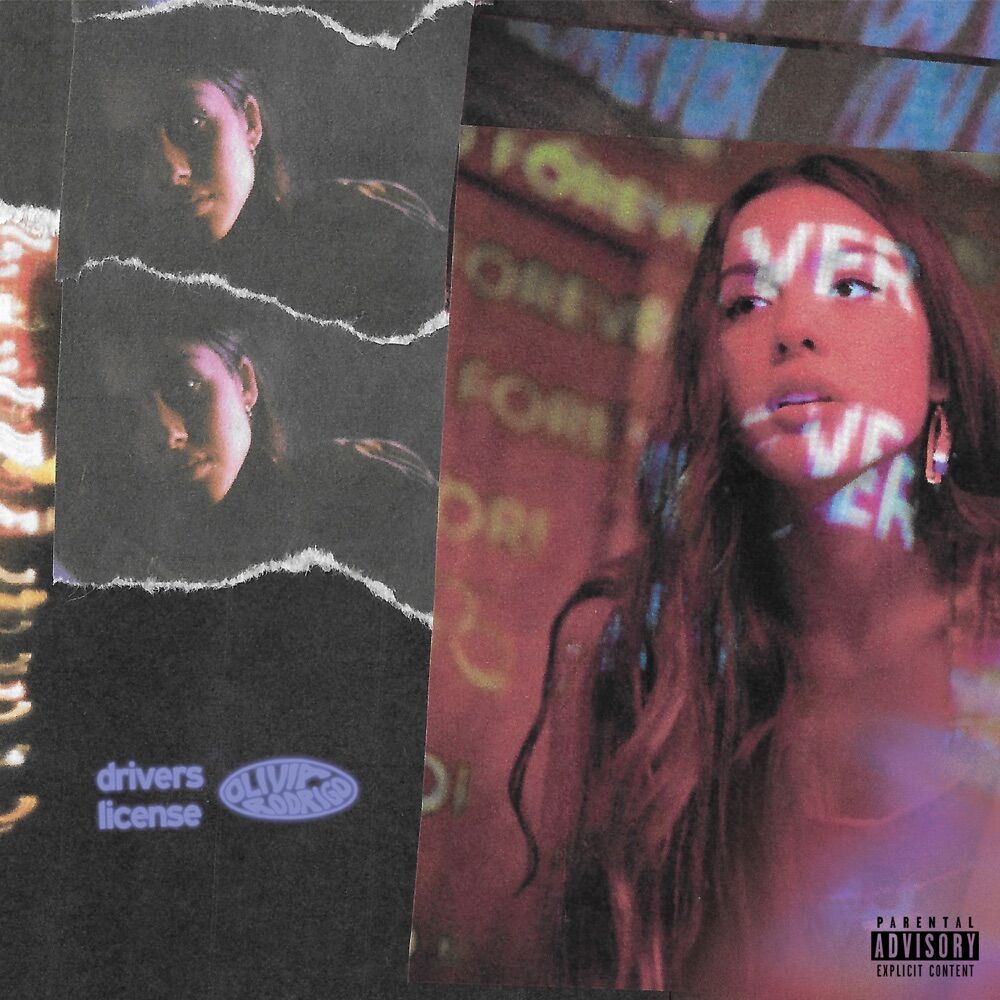
Unlike Olivia Rodrigo, I do not have a driver’s license. As an older young person, I’m not alone here either. Antidotally, I know more peers that do not have driver’s licenses or cars than those that do. It seems research points to this phenomena as well, with a widely cited study out of the University of Michigan showing that less adolescents and young adults are getting driver’s licenses compared to those that were the same age in the 1980s. Various news outlets all postulate similar reasons on why this is occurring, attributing it to the economy, young people having less time to obtain a license, not needing one, or even having general anxieties about learning how to drive. It seems that Rodrigo is becoming an outlier here.
Indeed, at 18, she is at an age where getting a license was once commonplace. I don’t know many people much younger than I, but it’s possible that trends are pointing to continuing this decline. In some ways then, Driver’s License shifts to something relatable to something almost unobtainable, much like how she laments her lost love. The driver’s license-less youth most likely resonated with this aspect of the song over the driving part anyway. This isn’t the time of the Beach Boy’s singing about how much they get around—they much rather hear about love. Her “driving through the suburbs” does show us why she did get a license though, where it was more out of necessity than not. Suburbs are sprawling areas and are not pedestrian friendly if you want to go to a shop or perhaps visit a friend. The planning of these areas, and arguably some newly developed cities, always have car owners at the forefront, while those that travel by alternative means take a back seat.
This is different to my experience in some cases, considering I live in an urban area that was developed prior to the dominance of the automobile. If cars were not commonplace, then cities were developed in a compact or dense nature that supports walking or a streetcar, for example. The affects of this development today could also point to why I have friends who also delayed buying a car or getting a license. We don’t really need one if we can walk or bike to some places if they’re close enough, or have a somewhat reliable public transit system for lengthier trips across town. Though even in an area where we are provided different modes of transpiration, we Americans can’t shake our love for cars.
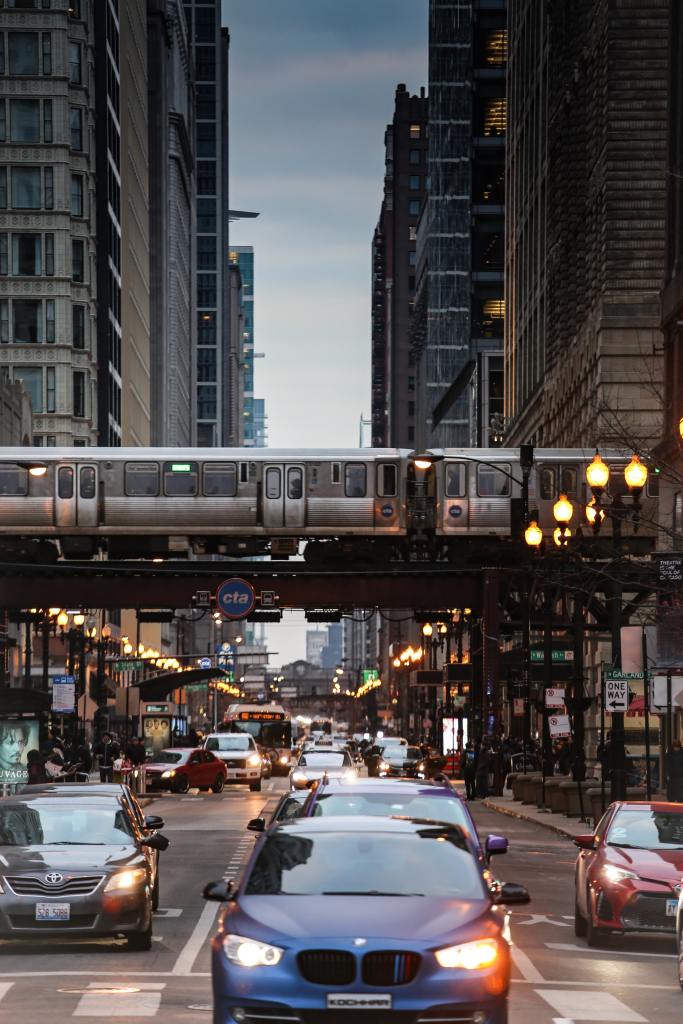
It’s clear that society favors those that own cars over those that don’t, because a majority of Americans do own a car. For instance, the U.S. Census Bureau estimates 27.8% of households in Chicago have no vehicle available to them at all, opposed to the 72.2% that have access to one or more car as of 2019. High automobile uptakes means cities might even forgo a more robust public transit service or even lack one entirely if it seems it isn’t needed. Although public transit in Chicago is better than most cities, I can’t help to feel that it lacks in some areas because of waning demand due to high car ownership in a particular neighborhood. Car ownership is oftentimes done out of necessity, creating a viscous cycle between that and a more robust transit service. If one has to own a car because of deficiencies in public transit then it never improves because they no longer need to use it. However, the kind of affect of younger people forgoing a license remains to be seen because it is possible that they obtain them when they’re older anyway.
“The world seems more limited when we are beholden to our own feet and the city’s bus schedule.”
Owning a car is expensive and those that live in urban areas may experience greater income inequality, so if a young person can’t afford a car to begin with, there’s no point in obtaining a license. News site The Conversation reports that income inequality is growing in urban areas, yet, according to Pew Research, the rate of poverty has increased everywhere in the U.S., with a sharp increase in the suburbs. Even though Rodrigo is an actress and singer, if we take her song at face value, it does expose the difference she may have among her peers that live in other areas or even within the same suburb. From personal experience, I could not afford a car as a 17-year-old, nor could my parents afford to purchase one for me. Besides, even if I was able to use my mom’s car, she was at work in the evening when I was home from school anyway. Rodrigo’s parents probably could afford to buy a car for her or they work normal 9-to-5s where she can use it when she is out of school for the day.
Then there’s the general anxiety about learning how to drive. Aside from setting the time to learn, driving is a nerve-wracking experience to some. The idea of getting behind the wheel amongst other drivers that could potentially cause a fatal crash is worrisome. Simple mistakes behind the wheel can create lasting misfortunes. It’s no wonder younger people would much rather spend their time doing other things in their busy schedules than learning to drive. While the crux of this essay is exploring the relationship between youth and trends in driving, this is beyond the scope of the song. We can only wonder if she had any anxieties to reaching this goal, other than she and her past boyfriend anticipated her getting one until it was too late to experience that together.
The main point here is pointing out the dichotomy between the experience of the singer and what others may have experienced with this rite of passage. If less youth are getting their license, it brings into question on what kind of person is now. Is it possible that the area we grow up in and the class structure tied to that lead to why some people do get their license and own car to drive and why others do not? It seems as if this part of life is no longer a momentous occasion as it once was for some people. Higher barriers to entry to obtain one now compared to then subvert this further. Even when I was 17 at the time the laws have changed. Some states require teenagers to set aside the time to learn how to drive with their parents, and for some that isn’t feasible, especially if the parent is at work. In other cases, such as in Illinois, adults 18 to 20 that didn’t take a drivers education course in high school might have to take an adult drivers education course to obtain a permit and eventually a license. That could be costly and add more hurdles for some.
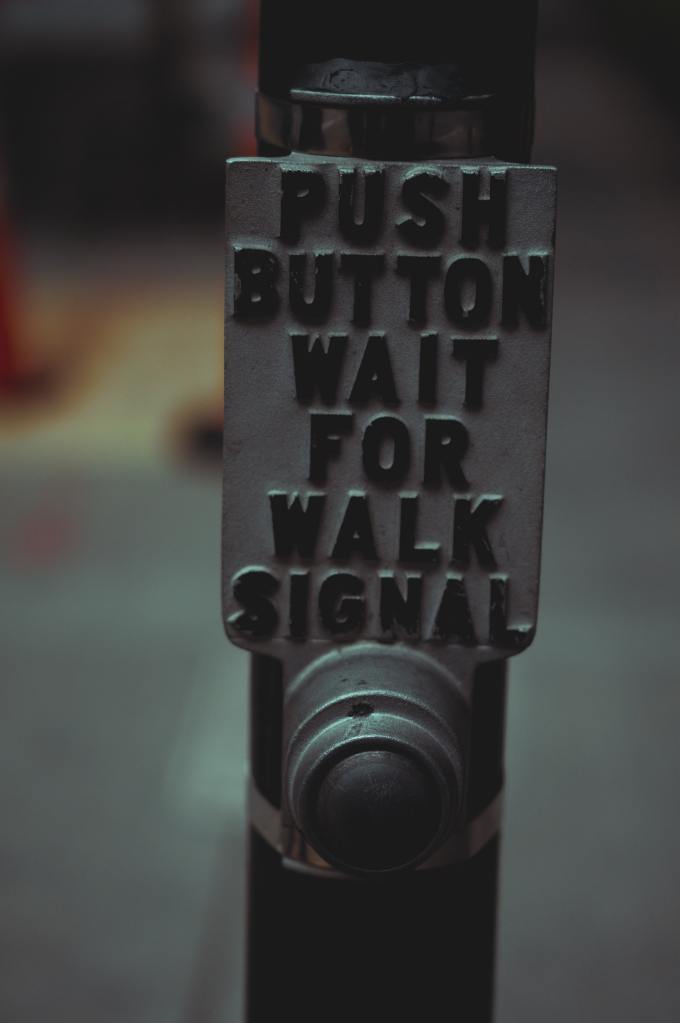
Both the experience in the song and the actual experience some young adults face today is probably not as deep as it seems, but it is an interesting moment of life to ponder. Forgoing that rite of passage can mean forgoing the sense of independence young people feel when they’re first able to go out and drive on their own. Like in the case of the song, potentially driving to your significant other’s house without relying on someone else to take you there is a momentous occasion. When this rite doesn’t occur, opportunities are shuttered, For instance, a lack of reliable public transpiration could render somebody unemployable in the eyes of employers. The world seems a bit more limited when we are beholden to our own to feet and the city’s bus schedule.
To be clear, this is not an attack on Olivia Rodrigo or her song, I’m solely pointing out the kind of experiences the youth of today may encounter. This is her experience she’s singing about here and there’s nothing wrong with that. This kind of experience has certainly resonated with a lot of people as well, seeing as it’s one of the biggest debuts of an artist in quite some time. Most people can relate to being heartbroken and going through major life experiences without someone they once loved. Just like how some can relate to obtaining a license or not. Listeners can either find common ground or live vicariously through the song, because what matters isn’t if you can relate or not, but to hear something that is genuine.
Maybe many teens today still do relate to driving on their own and experiencing love or heartbreak for the first time in the process and I’m off in my own little non-license having, urbanite millennial world. In any case, one of the mainstays of the transition to adulthood is becoming diminished for some. We’re probably better off not relying on cars so much anymore anyway. When having a license becomes a rarity, Rodrigo’s song will become even more of a wistful period of life that is now escaping our grasp. How things are experienced then is not true of today for many, and certainly won’t be true in the future. Young love is oftentimes fleeting, much like how like how this milestone has become.
 Daniel Villarreal