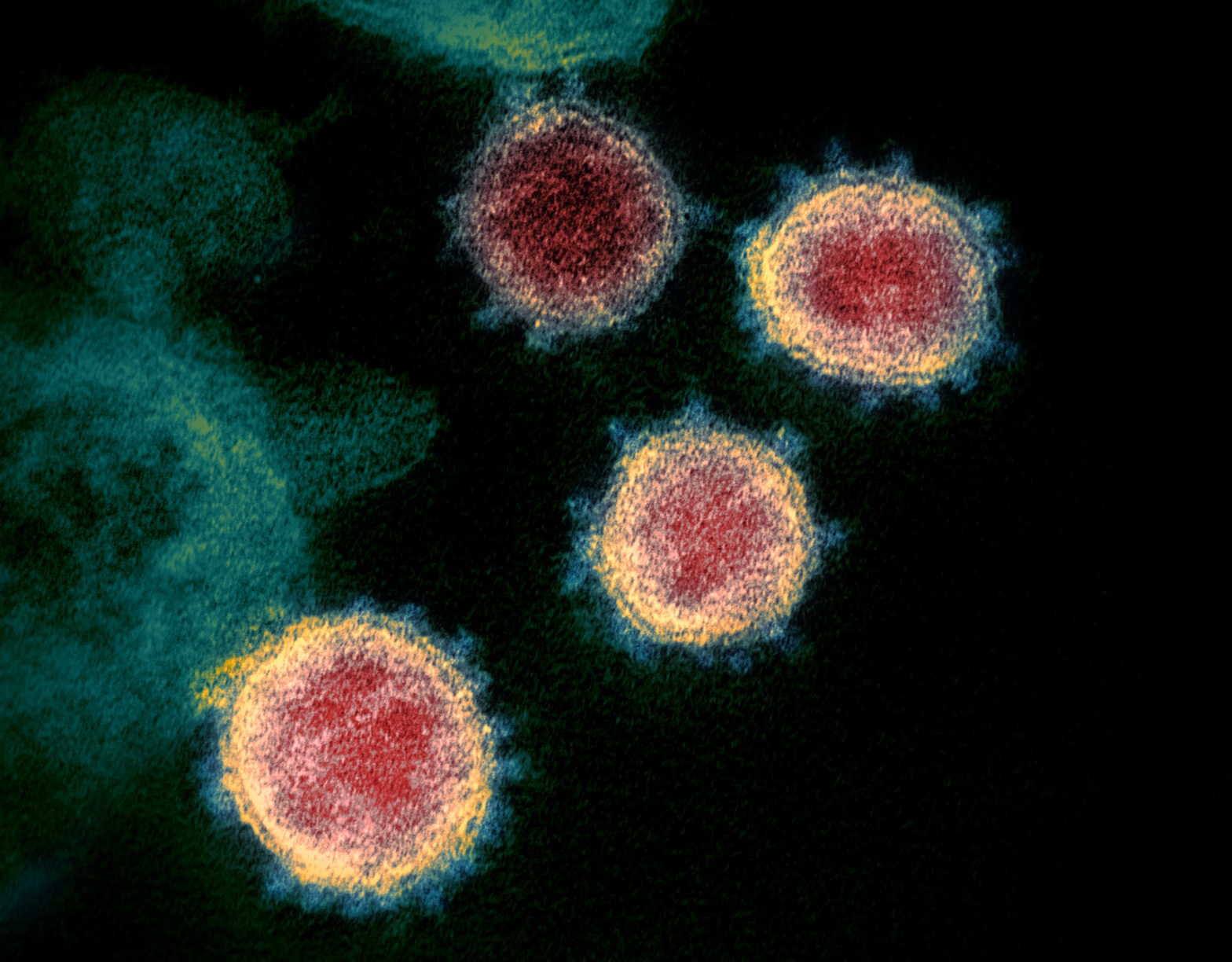
March 11, 2020 started out as a relatively normal day for most Americans. It’s a bit understated compared to other notorious dates in history. A day like September 11, 2001 is imbued in the minds of those that lived through it, the sheer horror of those that looked at their television screens, or even in person, seeing their fellow Americans tragically killed in seconds. However, March 11th was treated as any other day where life somewhat continued as normal until it quickly unraveled as it progressed. The loss of life was not as instant. It was a slow train wreck, where the impact was not fully realized weeks, months, and now one year later. The United States now has a surplus of hundreds of thousands of deaths. The sheer number is incompressible, for many of these deaths were unseen in overfilled hospital wards. It was out of sight, out of mind, and out of concern for some, but not to the families that had no other choice but to view their family members last moments on a screen.
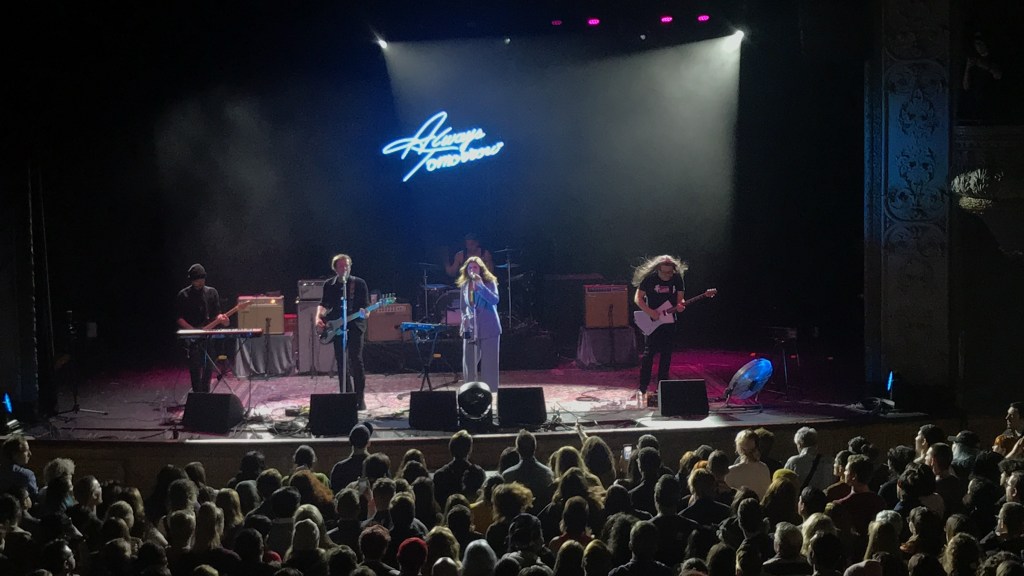
Last year on March 11th, the World Health Organization officially announced the COVID-19 pandemic. Anyone that remembered that day in March understood that things were going to be a bit different—the question was how different or for how long. I attended a concert that day, seeing Best Coast with my partner. Being there that day had an odd aura. The confirmed cases of the novel coronavirus in Chicago were miniscule. There was no immediate reason for concern, yet we all took some risks being there that day. Hundreds of people packed in a small theatre breathing, singing, dancing, and sweating on each other, where one potentially infected individual could have infected several others.
We sat in the balcony away from the crowd, yet the balcony had a scant empty seat. Unbeknownst to many, the race was already on to contain the outbreaks of this unknown virus, whereby this time it was conceivably propagating for weeks without everyone knowing about it. The bands thanked us for attending during an abnormal time, where concerts may not happen for the foreseeable future. When everyone had a chance to check their phones during the intermission, the audience soon understood that this epidemic was different—not like Ebola, zika, or even swine flu—it something serious.
Tom Hanks and his wife, Rita Wilson, announced they had COVID-19 at that time. My partner and I were shocked at the news. The stranger sitting next to us was too when she saw the news on her phone. Someone we all knew had contracted a potentially deadly illness. It was something tangible that we can bring into an understanding. It was real. Most people probably knew it wasn’t a death sentence for one of America’s most cherished actors, but things were still uncertain. In a one two punch, Utah Jazz player Rudy Gobert also tested positive for the virus. NBA subsequently suspended their season due to the concern of it spreading to the rest of league. Things began to fall like dominos that day.
I was one of the first to feel the brunt of shutting down due to my job. A respiratory disease spread through close contact with others meant people could not gather. If people can’t gather, then I was out of a job. That quickly became the case. MLB and MLS suspended their seasons as well, who I worked with in some capacity. Games and concerts I had to work were called off. In an instant I had no source of income like many others last year. Life was going to be different for everyone.
“People that have and continue to perpetuate inaction or outright deny reality show a lack of critical thinking, common sense, and compassion to everyone’s detriment.”
On March 21st, 2020, Illinois was under lockdown. Stay at home. Wash your hands. Bend the curve. Save lives—including your own. Two weeks became six weeks, and six weeks became two months. It was so eerie to go under this lockdown. Streets were empty, retail stores and restaurants were shuttered except for grocery stores and takeout. With all of us confined to our own living spaces, everything outside seemed quiet. It was a weird, novel and sometimes harrowing experience. The hypochondriac in me was worried about previously coming in contact with others in the weeks prior to lockdown, the risk of living with an essential worker, and how it might affect their health and my own. I worried about all the sneezing, coughing, tickles in the throat, or a runny nose in myself and others. Was feeling short of breath was what I thought it was or was I just panicked? I questioned if things were allergies or something else, and all those worries made it difficult to sleep in the early parts of the lockdown. As time went on my anxieties were a bit more subdued, but sometimes hearing coughs can still make me feel tense.
On May 29th, 2020, Illinois officially ended their stay-at-home order and switched to a phased reopening plan. Since that time, I have still rarely left home unless I absolutely need to leave. A botched national response in the US from the start meant sky-rocketing cases, uncontrolled spread, and hundreds of thousands of Americans dead. A lack of response that was infuriating to live through because of how careless and malicious it was. Expectations were never high with the previous administration, but it was the pinnacle of incompetency. People that have and continue to perpetuate inaction or outright deny reality show a lack of critical thinking, common sense, and compassion to everyone’s detriment. I can’t imagine how livid some families of victims to this disease might feel.
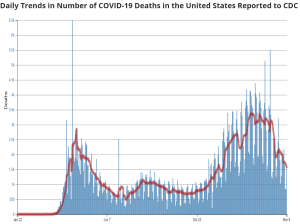
This pandemic has resulted in some of the deadliest days for Americans. According to USA Today, early December had some of the deadliest days, where December 3rd, 2nd, and 4th were the 5th, 6th and 7th deadliest days in American history respectively, but this has become outdated. According to The New York Times, January 12th was the deadliest day of the last surge, with 4,406 newly reported COVID-19 deaths. Other days where the count was higher may have had reporting anomalies, where states add a backlog of deaths. If that is taken into consideration for the CDCs data, January 20th is also one of the deadliest days with 4,394 newly reported deaths. However, there might be some discrepancies with how each organization reports these deaths.
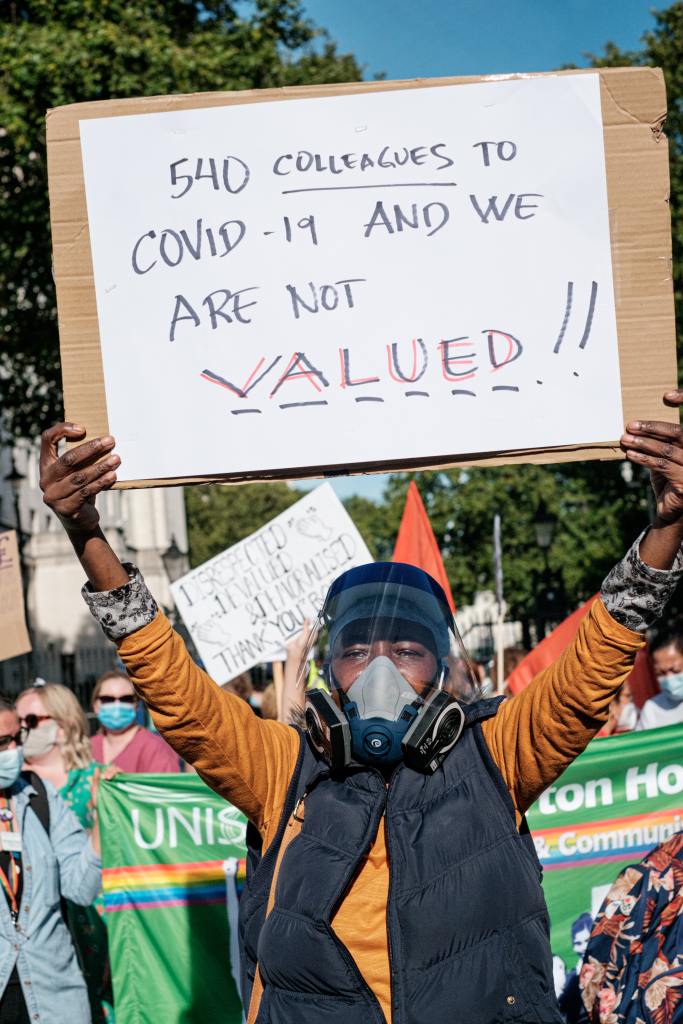
In any case, comfort is needed at a time like this. Mass casualties result in strife and mental anguish for many. Though it’s frustrating how it feels some aren’t more outraged by this immense loss of life. It’s so easy to dismiss things when we’re not seeing it. It’s any wonder if we’ll memorialize all those we have lost at the hands of this terrible disease much like we do for those that died in 9/11 or Pearl Harbor or any other national tragedy where there is a major loss of life. Many nurses and doctors are driven to tears after losing so many patients in quick succession. What will become of these medical workers that went through this widespread trauma of having to take care of so many through their last moments. Some of these medical workers lost their lives as well. And there’s those outside of the medical field that also had to deal with compounded stress due to the pandemic. These are grocery store employees and other newly deemed essential workers that must interreact with the public, risking their health and speaking to those that think putting cloth over their mouth and nose is somehow oppression. It only makes it all more frustrating to wonder why these workers aren’t paid more if they’re considered essential. All the stress and uncertainty, and hoping everything remains okay takes a mental toll for everyone, especially for those that are at the brunt of it.
None of us are alone with all the stress and pain this past year caused. I knew more people than usual that have died last year compared to others. Only one of them was due to COVID-19 to my knowledge. And contrary to the usual narrative, they were younger than me. He’s a charismatic person, had a good sense of humor, and is friend to many. It was earth shattering to hear the news of his passing. It messes with your psyche to lose so many, in fear of the terrible news of who will pass on next. It’s especially hard to grasp the loss of someone that had so much of their life ahead of them. I’m sure families that lost loved ones in the past year are feeling an unfathomable heartbreak unlike any other. The sad thing is they’re not alone either. The astounding number of deaths reported in the news may just seem like faceless strangers, but someone out there loves them. I’m sure they’ll do anything to get them back.
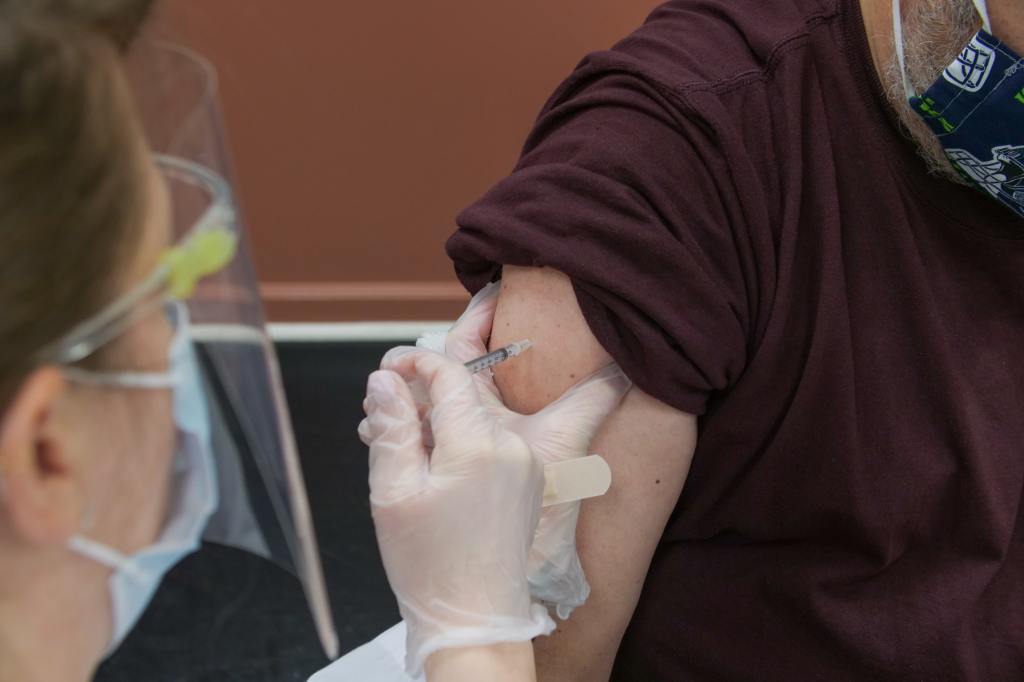
There’s hope that these days will soon come to an end, and hopefully sooner than we think. Vaccines are going into the arms of millions and it is something I hope to receive soon. It’s important to consider what we will learn from this moment of history and what is at stake if we are doomed to retread our shortcomings. It’s important to heed the advice of scientists and doctors, lest we lose many more in the next pandemic. Additionally, remaining vigilant and supporting research to help combat disease, because there will be another pandemic someday. New diseases are emerging due to the mistreatment of our environment, among other reasons. We have to consider supporting leaders that will understand this ongoing threat, along with other challenges we will endure with our environment, and make necessary changes to make sure we are prepared in the times ahead.
The light at the end of the tunnel is in sight, and we all want to get on with our lives from this moment in time, myself included. Once we’re able to safely return to what we once knew as normal, we’ll have the time of our lives. Yet it’s important to not remain complicit to all the issues we face as humans and as stewards to our planet. It is of the utmost importance to remain compassionate for one another when we are going through difficult times. We all have gone through a lot this past year and both collectively and individually faced many struggles relating to the pandemic or not. We cannot forget about our ability to empathize. What we have lost in the past can point to what we could lose in the future.
 Daniel Villarreal